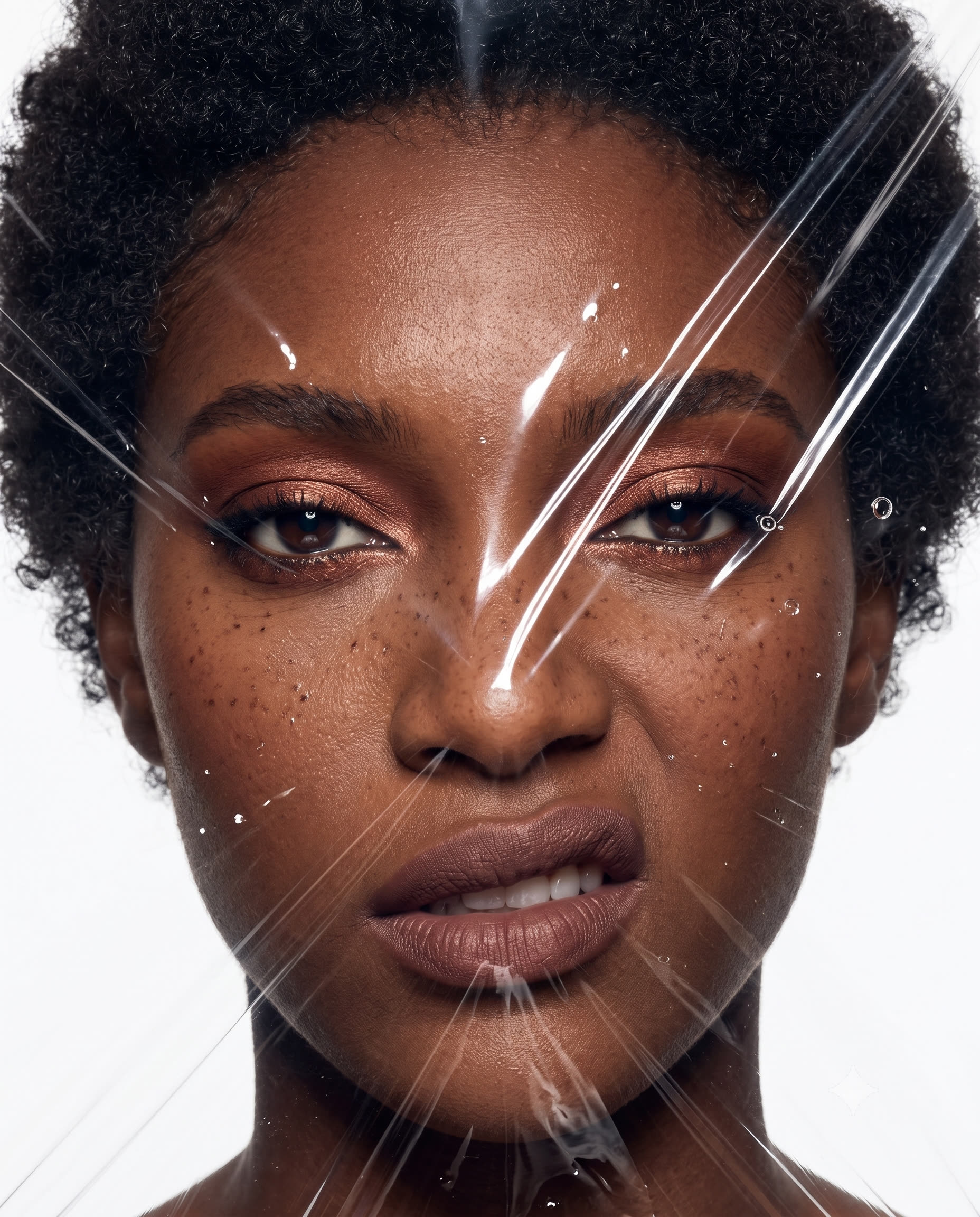
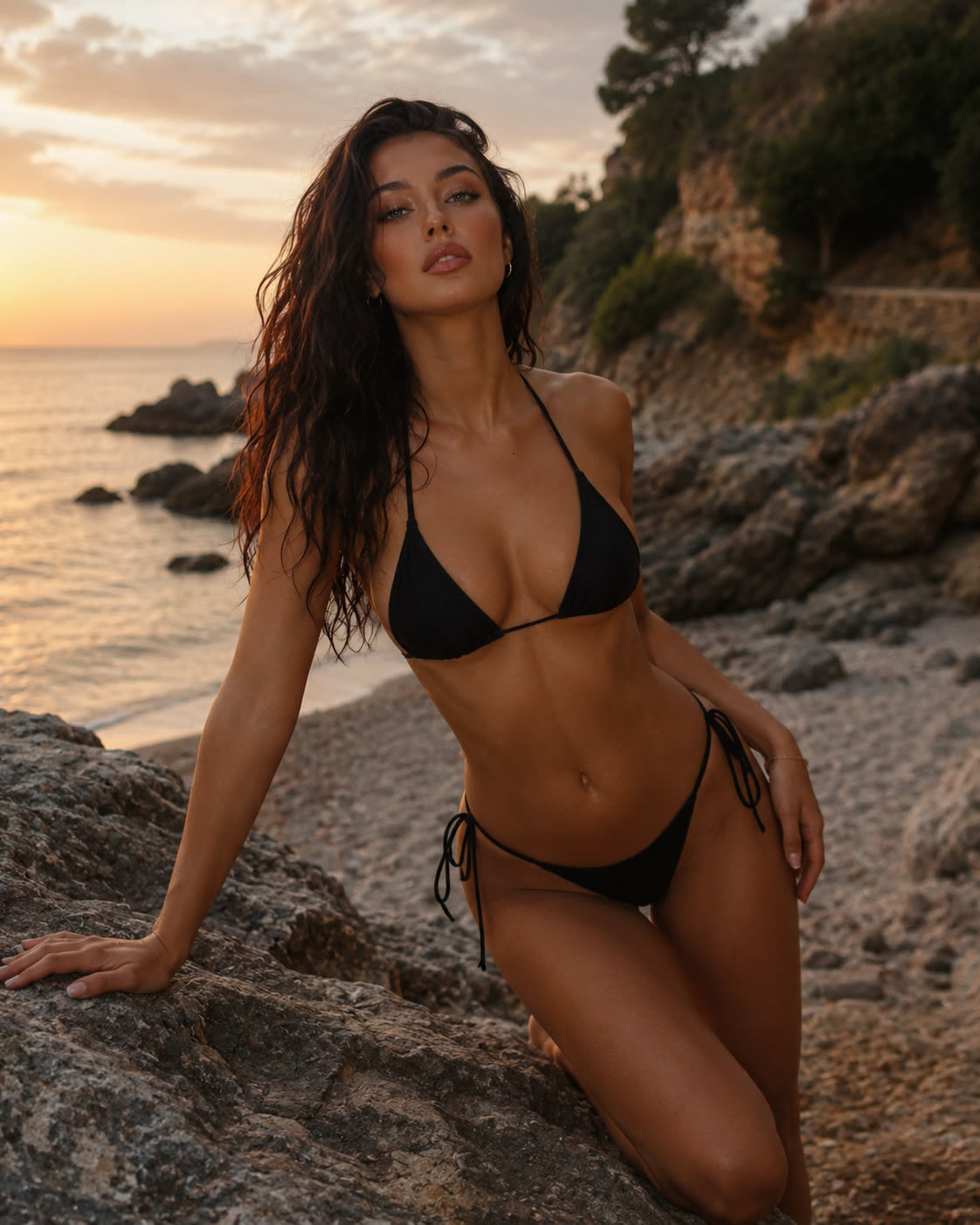
AI
Photography, with new tools
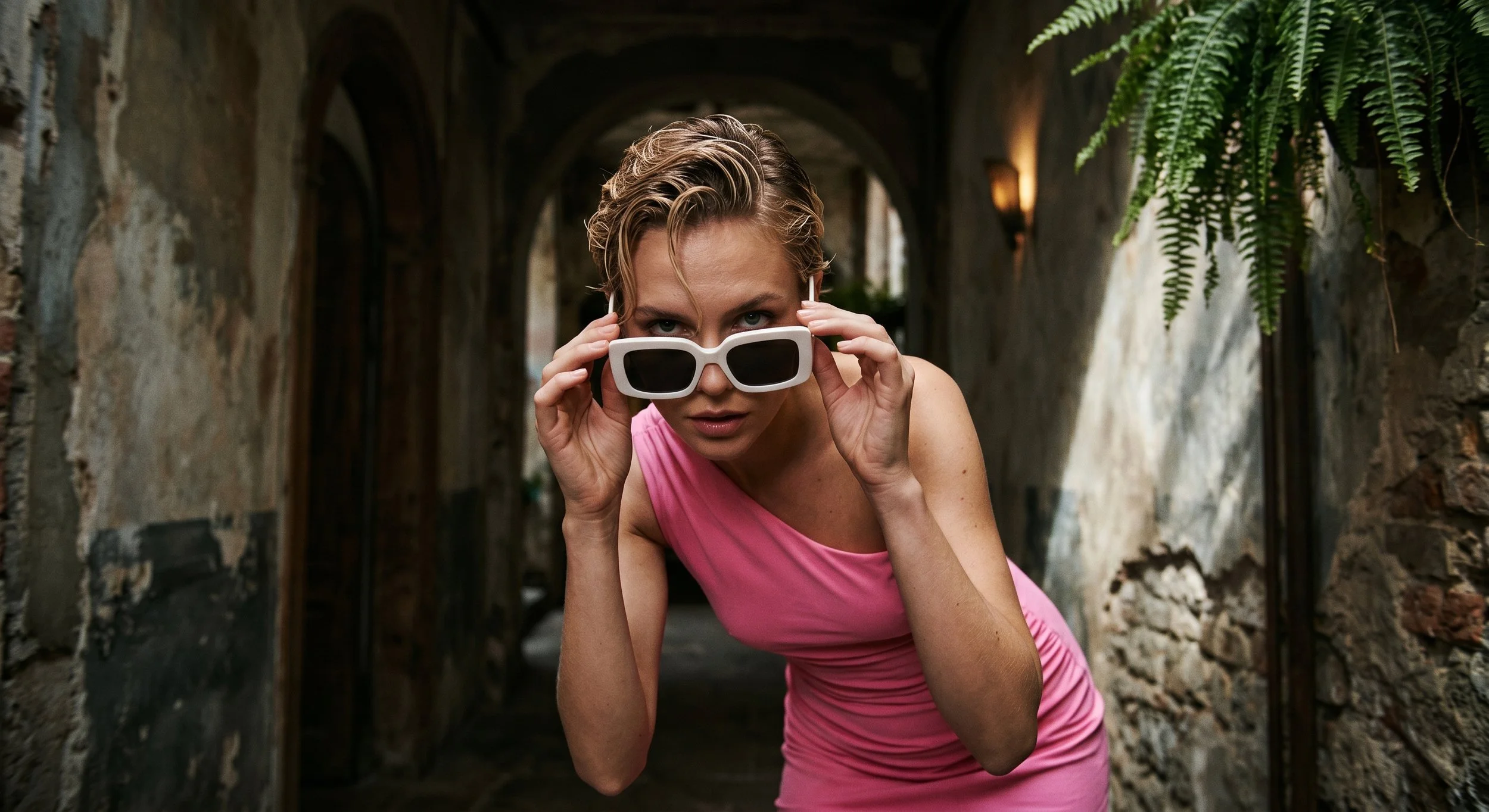
Artificial intelligence is part of the craft now, just as digital capture was, and as Photoshop was. It does not take the picture. It does not stand in the room. It does not replace the person in front of the camera.
Text and images on this page were generated with artificial intelligence.
A tool, not an author
Every leap in photography was met with the same argument: this is the end of the craft. Roll film. Colour. Digital sensors. The computer. None of them ended photography. They changed who could work, how fast, and what was possible on a given day.
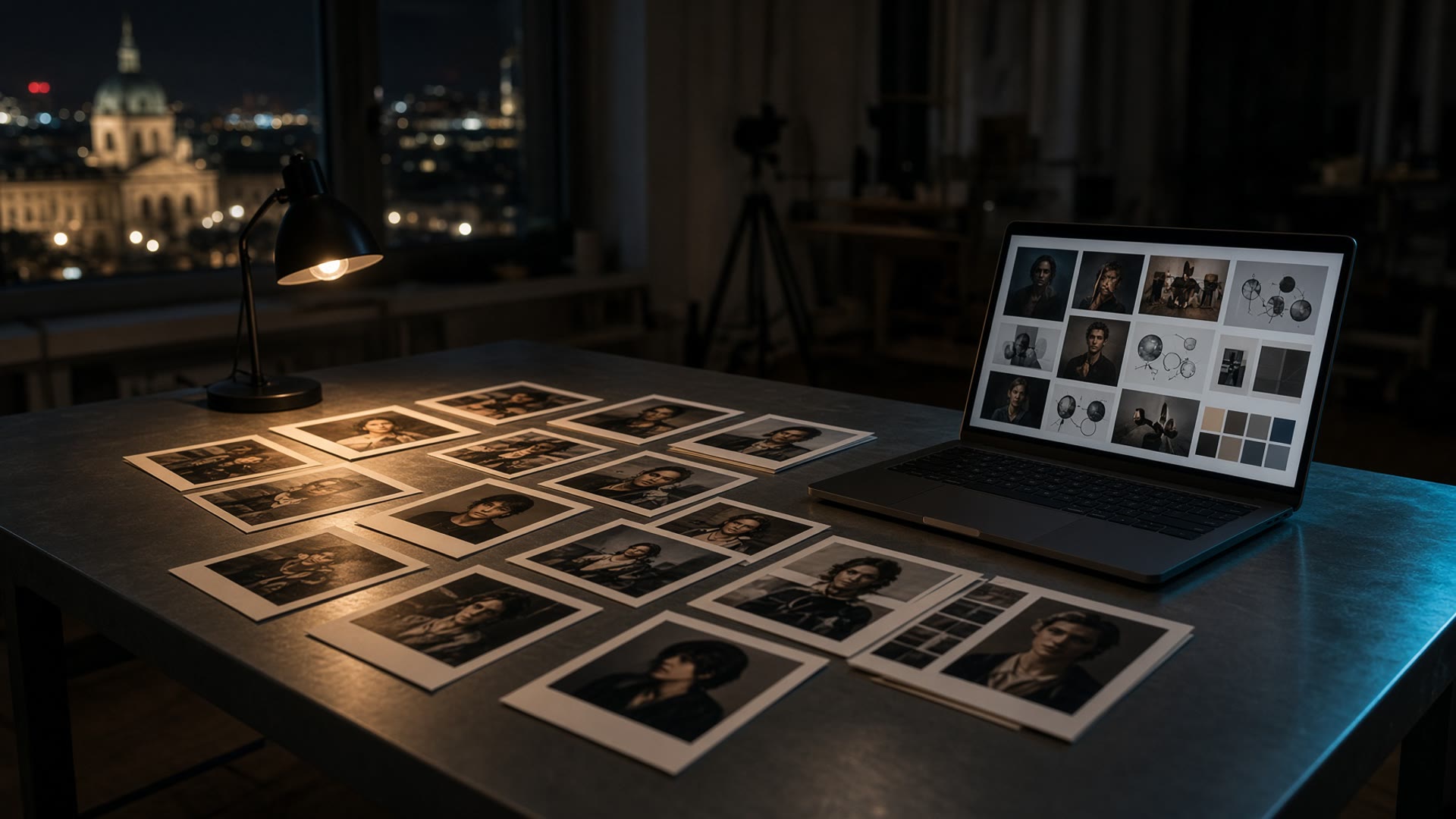
AI is the current leap. It cuts the dead time that used to vanish into cloning, masking, and salvage. It lets a studio try ideas that would have needed a stage, a city, or a budget that was not available. The picture still starts with a decision: where to stand, when to wait, whom to trust.
The sitting is still the sitting
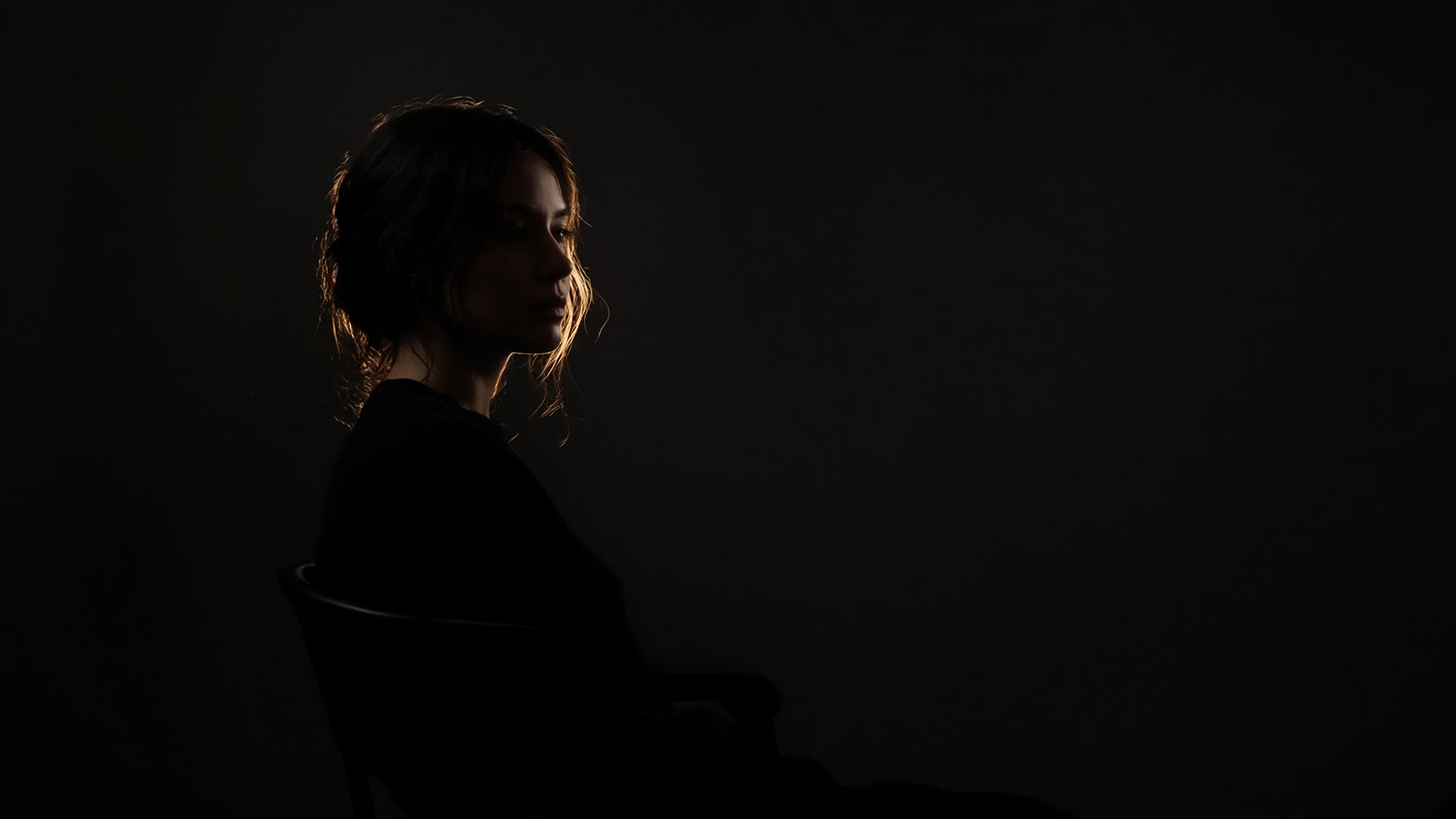
A generated face can be technically perfect in seconds. It cannot know why a look in the room is worth keeping. It has no timing. It does not feel the air change when someone stops performing.
The photographic eye is not a filter. It is attention: light, distance, the half-second before someone drops the pose. That is still a human job. Software can finish edges. It cannot hold a conversation, or decide that this frame, not the sharper one, is the picture.
Retouching
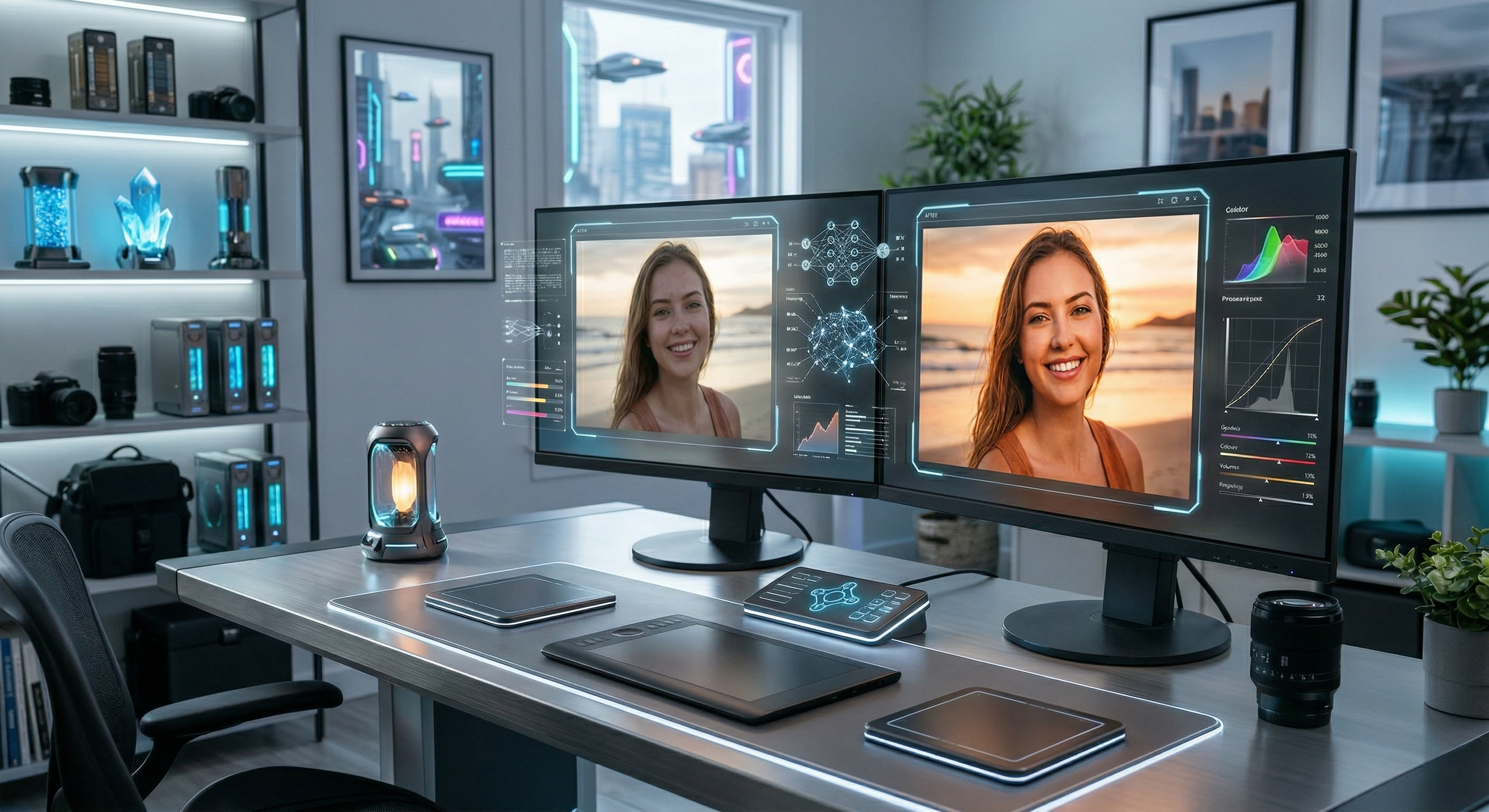
High-end retouch used to mean a long night of pixel work. The new tools are faster and, used with taste, more precise. The brief is not to invent a different face. It is to bring the file to the level the sitting already had in the room.
Generative fill can lift a stand, a cable, a stranger at the edge. Skin stays skin. Grain stays grain. If the picture starts to look generated, the retouch has gone too far.
What it will replace
Work built on generic pictures, not on a specific person in a specific hour, is already shifting.
- Stock: A happy office, coffee on a table, a handshake in golden hour. No one needs to hire a crew for that.
- Catalog: A bottle, a shoe, a packshot with perfect light. The studio still wins when the object has to exist and the brand has to own it. The rest gets calculated.
- Generic portraits: A clean LinkedIn headshot from three selfies. Fine for that use. It is not a portrait sitting.
Editorial, campaign, and portrait work that depends on a real encounter does not vanish. It becomes clearer. The assignment is the person, not the pixels.
Likeness and consent
A model of a face is not a sitting. A likeness of a real person is not built without a clear yes: not for a mood board that leaves the studio, not for a campaign file, not for a hypothetical.
The same rule applies to clients. If the face belongs to a person who exists, that person is in the work, or the character is generated and is not that person. Mixing the two without saying so is the line that does not get crossed.